
Personal Growth

Flavio Piloto da Silva is a personal growth advocate, productivity coach, and author dedicated to helping people reclaim control over their lives. With a passion for mindfulness, focus, and intentional living.

  • The quiet habits that help new parents build confidence, connection, and a calmer family life.

    Becoming a parent changes your life in ways that are difficult to imagine until you’re living them. One day you’re planning for a baby, and the next you’re trying to understand tiny cries, sleepless nights, and a completely new routine. It can feel overwhelming, especially when every article, video, and social media post seems to offer different advice.

    The good news is that successful parenting rarely comes from doing everything perfectly. More often, it grows from showing up consistently in the small moments that make a child feel safe, loved, and understood.

    Confidence Comes With Practice

    Many new parents believe confidence should arrive naturally once the baby is born. In reality, confidence is built through experience.

    Every diaper change, bedtime routine, feeding session, and comforting cuddle teaches you something new about your child. At first, these moments may feel uncertain. Over time, patterns begin to appear. You’ll notice what calms your baby, what signals they’re tired, and how they communicate long before they can speak.

    There isn’t a perfect parent. There are simply parents who keep learning.

    Your Baby Doesn’t Need Constant Entertainment

    Modern parenting often comes with pressure to stimulate babies every minute of the day. While talking, singing, reading, and playing are all valuable, babies also benefit from quiet moments.

    Watching sunlight through a window, listening to your voice during everyday tasks, or simply lying on a blanket observing the world can all support healthy development. Babies learn by experiencing ordinary life alongside the people they trust most.

    Simple routines often create the strongest sense of security.

    Take Care of Yourself Too

    One lesson many parents discover too late is that caring for themselves isn’t selfish — it’s necessary.

    Exhaustion affects patience, decision-making, and emotional resilience. Even small acts of self-care can make a noticeable difference. A short walk, an uninterrupted shower, accepting help from family, or taking turns with your partner during nighttime care can help restore your energy.

    Looking after yourself also models healthy habits for your growing child.

    Every Family Finds Its Own Rhythm

    Advice can be helpful, but every baby has a unique personality. Some sleep easily. Others wake frequently. Some enjoy busy environments, while others prefer quiet surroundings.

    Comparing your family to someone else’s often creates unnecessary stress. Instead, focus on what consistently works in your own home.

    A bedtime routine doesn’t need to resemble one you saw online. If reading a short story, dimming the lights, and cuddling for a few minutes helps your baby settle, that’s a routine worth keeping.

    Consistency matters far more than perfection.

    Celebrate Progress, Not Perfection

    Parenthood is full of milestones, but many of the most meaningful ones happen quietly.

    The first peaceful bedtime after a difficult week.

    The first smile that feels intentional.

    The moment you recognize your baby’s different cries without thinking.

    These aren’t dramatic achievements, but they represent something important: you’re growing together.

    If you’re looking to learn more, a well-written parenting guide or trusted family resource can offer practical ideas during different stages of your child’s development. The goal isn’t to follow someone else’s blueprint exactly, but to gather tools that fit your own family’s needs.

    At its heart, parenting is less about having all the answers and more about being present. Children don’t remember whether every decision was perfect. They remember feeling safe, loved, and supported. Those everyday moments, repeated with patience and care, become the foundation of a strong and lasting relationship.

    Parenting

    Parenting Advice

    Parenthood

    Parenting Tips

  • A practical way to look put-together without dragging your whole closet through airport security

    I used to pack for vacations the way some people pack for a move. Every “what if” outfit made the cut. What if we go somewhere fancy. What if it rains. What if I want to look a certain way in one specific photo. By the time I got to my destination, half the suitcase stayed zipped the entire trip, and I wore the same three things on rotation anyway.

    The outfits that actually work on vacation aren’t the ones I planned the hardest. They’re the ones that solve a real problem: heat, walking, sudden weather changes, or needing to go from a beach chair to a dinner table without a costume change. Once I started packing for problems instead of moods, getting dressed on vacation stopped being a project.

    Vacation Outfit Ideas

    Start with what your days will actually look like

    Before thinking about clothes, it helps to think about hours. Are you walking eight miles a day through a city, or are you moving between a pool and a lounge chair? Are mornings cool and afternoons brutal, like a lot of coastal towns in shoulder season? The outfit doesn’t come first. The itinerary does.

    If most of your days involve walking, comfort has to win over how something photographs. A structured linen shirt that looks great sitting down can turn miserable after two hours in humidity. Fabric weight and breathability end up mattering more than the actual color palette people obsess over.

    Build around three or four pieces that repeat well

    The outfits that feel effortless on trips are usually built from a small set of pieces that mix in different combinations. A couple of breathable tops, one versatile bottom that works dressed up or down, and a layer for wind, air conditioning, or evening temperature drops. That’s most of a week right there, especially if everything shares a similar color family so nothing clashes by accident.

    This is where a lot of people overpack without realizing it. They’re not packing outfits, they’re packing individual “looks,” each one needing its own shoes or accessory to make sense. A linen set that can be worn together or split apart does more work than five unrelated outfits that only function as full sets.

    Shoes decide more than people expect

    Nobody plans a vacation around footwear, but footwear usually decides how the day actually goes. One pair for walking that can survive uneven streets or sand. One pair that can pass for evening without needing a blister break halfway through dinner. Trying to stretch a cute-but-stiff sandal across a whole trip is how a lot of vacation photos end up looking a little pained around the eyes.

    Leave room for the unplanned outfit

    Every trip has one moment that wasn’t in the plan. A sunset that’s better than expected, a restaurant that turns out nicer than you thought, a spontaneous boat trip. Packing one slightly dressier piece, even something small like a scarf or a better top, gives you a way to meet that moment without needing to have predicted it.

    If you like having a starting framework instead of building a packing list from nothing, a simple capsule wardrobe guide can save the back-and-forth of “does this go with that.” It’s less about following a formula and more about not needing decision energy on day three of the trip.

    Vacation outfits work best when they’re built around how the days will actually feel, not how the suitcase looks when you’re packing it. The version of you standing in a hot street at 2 p.m. is the one you’re really dressing for. Everything else is a bonus.

    Vacation Outfit Ideas

    Vacation Outfit Ideas

    Outfit Ideas

    Holiday Outfit

    Summer Vacation

    Vacation

  • Why the way you think about challenges has a bigger impact on your future than talent alone.

    Most people believe personal growth begins with finding the right habits, reading the right books, or setting better goals. While those things certainly help, lasting change often starts much earlier — with the way you think.

    Your mindset influences how you respond to setbacks, criticism, uncertainty, and success. Two people can experience the same challenge and walk away with completely different lessons. One sees failure as proof they are not good enough. The other sees it as valuable feedback for improvement.

    That difference is what psychologists call a growth mindset.

    A growth mindset is the belief that your abilities, intelligence, and skills can improve through effort, learning, and persistence. It doesn’t mean pretending everything is easy or believing you’ll succeed every time. Instead, it means accepting that progress comes from practice rather than perfection.

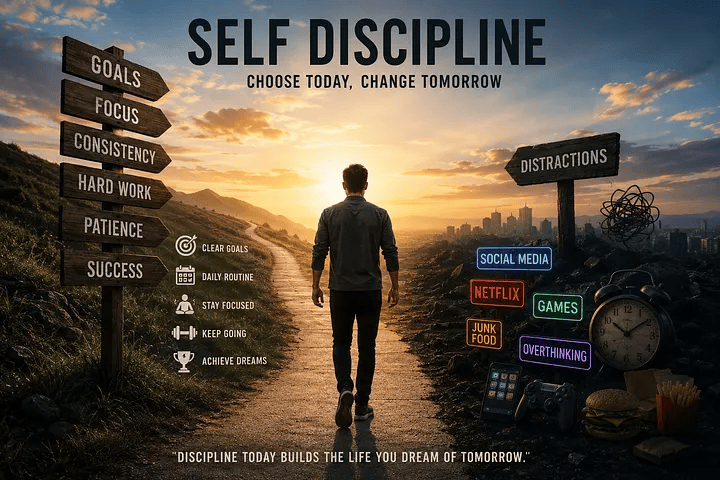
    How to Stay Consistent and Disciplined: 10 Steps to Build Habits, Focus Your Energy, and Transform Your Life

    Why Your Mindset Shapes Your Results

    Think about learning a new language, starting a business, or improving your fitness. In the beginning, progress is usually slow. Mistakes happen frequently, and motivation naturally rises and falls.

    People with a fixed mindset often interpret these early struggles as signs they lack natural ability. As a result, they may quit before seeing meaningful progress.

    Those with a growth mindset approach the same situation differently. They understand that being a beginner is part of the learning process. Instead of asking, “Am I good at this?” they ask, “What can I improve today?”

    This simple shift encourages consistency, and consistency usually produces better results than short bursts of motivation.

    Small Changes Create Bigger Transformations

    Personal growth rarely happens through dramatic breakthroughs. More often, it develops through small daily decisions that accumulate over time.

    Reading ten pages each day may not seem significant, but over a year it becomes several books. Taking a short walk every evening may not transform your health overnight, yet months later you feel stronger, more energetic, and more confident.

    A growth mindset helps you appreciate these small wins because you understand they are building something larger.

    This perspective also reduces the pressure to be perfect. Missing one workout or making one mistake at work doesn’t erase your progress. It simply becomes another opportunity to learn and continue.

    Practical Ways to Develop a Growth Mindset

    Developing this mindset isn’t about repeating positive affirmations. It’s about changing the questions you ask yourself.

    Instead of saying, “I can’t do this,” try asking, “What skill am I missing?”

    Instead of avoiding feedback, become curious about it. Constructive criticism can reveal blind spots that would otherwise slow your progress.

    Finally, celebrate effort alongside results. Success is rewarding, but the habits that create success deserve recognition too. Every focused practice session, every difficult conversation, and every lesson learned strengthens your ability to grow.

    Growth Is a Lifelong Process

    One of the most encouraging aspects of personal growth is that there is no finish line. Every stage of life offers new opportunities to learn, adapt, and improve.

    Some seasons will feel productive, while others may seem frustrating or uncertain. That’s completely normal. Growth isn’t measured by how quickly you move but by your willingness to keep moving.

    If you’re interested in exploring personal development further, books, journals, or practical guides can provide helpful structure. The most valuable resources aren’t the ones promising instant transformation — they’re the ones that encourage steady action and thoughtful reflection.

    In the end, a growth mindset isn’t about becoming someone completely different. It’s about becoming a slightly better version of yourself, one decision at a time.

    The habits you build, the challenges you embrace, and the lessons you choose to learn today quietly shape the person you’ll become tomorrow. That’s the real power of personal growth.

    How to Stay Consistent and Disciplined: 10 Steps to Build Habits, Focus Your Energy, and Transform Your Life

    Growth Mindset

    Personal Growth Mindset

    Develop A Growth Mindset

    Personal Development

    Personal Growth

  • Managing your time better isn’t about squeezing more into your day — it’s about finally being honest with yourself about what actually matters.

    Most people who feel overwhelmed by their schedules aren’t short on hours. They’re short on clarity. The day fills up fast — meetings, messages, tasks that feel urgent in the moment — and by evening, the work that genuinely mattered somehow didn’t get touched. This is one of the most common, quietly frustrating experiences in modern working life.

    The solution people reach for is usually a new system: a better app, a tighter schedule, a morning routine borrowed from a podcast. Sometimes those things help. But more often, the problem runs a little deeper than tools.

    The Honesty Part Is the Hard Part

    Good time management starts with an uncomfortable audit. Not of your calendar, but of your assumptions about it.

    Most of us chronically underestimate how long things take, overcommit because saying no feels uncomfortable, and treat every incoming request as roughly equal in importance. These habits don’t show up as obvious mistakes — they just create a low hum of busyness that never quite translates into meaningful progress.

    A useful starting point is to track one week without changing anything. Write down what you actually do, hour by hour, and what it produced. Most people are surprised by how much time disappears into reactive work — emails, small interruptions, low-stakes decisions — versus the focused, creative, or strategic work they intended to do.

    That gap between intended and actual is where the real work of time management begins.

    Protecting Your Best Hours

    Not all hours are equal. Most people have a two-to-four hour window each day when their thinking is sharpest — usually in the morning, though this varies. The instinct is to use that window to clear the inbox, get the easy stuff out of the way, and then tackle the hard work. That instinct tends to backfire.

    Protecting your peak hours for your most demanding tasks is one of the highest-leverage things you can do. It means emails can wait. Meetings, where possible, get scheduled around that window rather than in the middle of it. It requires a bit of discipline to resist the pull of quick wins early in the day, but the quality of work that comes out of a focused, uninterrupted block is usually worth it.

    This isn’t about rigid productivity theatre — it’s just about making sure your mental energy goes where it’s most needed, rather than where it’s most easily spent.

    The Stress Connection

    There’s a reason chronic busyness and chronic stress so often go together. When everything feels equally urgent, the nervous system treats the day as a series of small emergencies. The mental load of constantly deciding what to do next, fielding interruptions, and holding a long list of unfinished things in your head is genuinely exhausting — even if none of it is individually dramatic.

    Reducing that cognitive overhead is one of the underrated benefits of better time management. A clear structure — knowing when you’re doing focused work, when you’re handling communications, when you’re stepping away — removes hundreds of micro-decisions from the day. And that, more than any productivity hack, tends to make people feel calmer and more in control.

    What Actually Helps

    A few things consistently make a difference, regardless of the system someone uses:

    Writing tomorrow’s priorities down before you finish work today. It takes five minutes and takes the open loops out of your head.

    Saying no — or not yet — to things that don’t align with your current priorities, rather than letting them silently crowd out the things that do.

    Building in recovery time. Treating your schedule like a spreadsheet with no margins is how people burn out while technically being very organised.

    If you want to go deeper, there are good books and resources on this — Deep Work by Cal Newport is one that holds up well — but the principles are simpler than most productivity content suggests. The basics, done consistently, cover most of the ground.

    Deep Work Rules for Focused Success in a Distracted World By Cal Newport & Deep Focus How to Achieve Success in a Distracted World By Joe Spacey 2 Books Collection Set https://amzn.to/4v8MFI8

    Better time management won’t magically create more hours. What it does is make the hours you have feel less like they’re running away from you — and more like something you’re actually choosing how to spend.

    That shift, more than any app or system, is what people are really looking for.

    Time Management

    Project Management

    Organizing Strategies

    Time

    Self Improvement

  • Most people say they want to improve their lives, yet many spend years waiting for the perfect moment to start. They wait until they have more time, more confidence, more money, or more motivation. The problem is that personal growth rarely begins with ideal circumstances. It usually starts with a decision to improve one small thing today.

    Being personal growth-oriented is not about constantly chasing success or trying to become a completely different person. It is about developing the habit of learning, adapting, and making steady progress throughout life.

    One of the biggest misconceptions about personal growth is that it requires dramatic change. In reality, growth often happens through small actions repeated consistently. Reading a few pages of a book each day, learning a new skill for fifteen minutes, or taking time to reflect on your habits may seem insignificant in the moment. However, these actions compound over time and can lead to substantial improvements.

    A growth-oriented person views challenges differently. Instead of seeing obstacles as proof of failure, they see them as opportunities to learn. This does not mean enjoying every setback. It simply means understanding that mistakes often contain valuable lessons. Every successful person has experienced disappointments, poor decisions, and unexpected difficulties. What separates them is their willingness to learn from those experiences rather than be defined by them.

    Self-awareness is another important part of personal growth. Many people spend years repeating the same habits without examining whether those habits are helping or hurting them. Taking a few minutes each day to reflect can provide valuable insights. Ask yourself simple questions:

    • What went well today?
    • What could I improve?
    • What lesson did I learn?

    These questions encourage continuous learning and help identify areas where small adjustments can create better results.

    Personal growth also requires curiosity. The world changes quickly, and people who continue learning often adapt more effectively to new situations. This does not mean pursuing formal education all the time. Learning can come from books, podcasts, conversations, courses, or everyday experiences. The goal is to remain open to new ideas and perspectives.

    Another often overlooked aspect of growth is patience. Modern culture frequently celebrates overnight success stories, but meaningful development usually takes time. Building confidence, discipline, communication skills, or financial stability rarely happens in a few weeks. Progress is often gradual and difficult to notice from day to day. Looking back after months or years is when the difference becomes clear.

    Surrounding yourself with growth-minded people can also make a significant difference. The people you spend time with influence your thinking, expectations, and habits. Being around individuals who value learning and improvement can encourage you to raise your own standards and remain focused on your goals.

    Ultimately, being personal growth-oriented is less about achieving perfection and more about maintaining momentum. It is the commitment to becoming slightly better today than you were yesterday. Some days progress will be obvious. Other days it will feel slow. Both are normal parts of the process.

    How to Stay Consistent and Disciplined 10 Steps to Build Habits

    The most important step is to keep moving forward. Small improvements, repeated consistently, often lead to results that once seemed out of reach. Personal growth is not a destination you arrive at. It is a lifelong practice of learning, adapting, and becoming the best version of yourself, one step at a time.

    Personal Growth

    Personal Development

    Self Improvement

    Self-awareness

  • Subtitle: Most self-improvement advice focuses on what you do. This is about what you stop carrying.

    There’s a particular kind of exhaustion that doesn’t come from working too hard. It comes from maintaining too many open loops — half-finished goals, vague intentions, decisions you keep deferring, and versions of yourself you said you’d become “soon.” You’re not burned out from effort. You’re worn down by weight.

    Most productivity content skips this part. It goes straight to morning routines, habit stacking, and optimizing your calendar. All of that can be useful. But if you build a better system on top of an already cluttered mental landscape, you haven’t solved the problem. You’ve just made it more organized.

    The real work, the quiet kind, is learning to let things go before they become permanent fixtures in your head.

    The Weight of Unfinished Decisions

    Psychologists sometimes refer to the Zeigarnik effect — the observation that unfinished tasks occupy more mental space than completed ones. Your brain treats an open loop like an alarm that hasn’t been turned off yet. It keeps checking back on it, nudging you, making sure you haven’t forgotten.

    The trouble is, most people have dozens of these running at any given time. The book they’ve been meaning to read for a year. The conversation they should probably have. The side project that’s been “almost ready” for months. Each one is small on its own. Together they become a low-grade background noise that dulls your focus and chips away at your energy.

    Closing loops doesn’t always mean completing things. Sometimes it means deciding, with clarity and without guilt, that something is no longer for you. That’s still a closed loop. The mind can rest with a clear “no” just as well as it can with a “done.”

    What Discipline Actually Looks Like in Practice

    Most people think of self-discipline as the ability to force yourself toward things. Push harder, wake up earlier, do the thing you don’t feel like doing. There’s a place for that, obviously. But there’s another form of discipline that gets far less attention: the discipline of subtraction.

    This means getting honest about what’s actually on your plate versus what you’ve told yourself is on your plate. It means reviewing your goals not just to add new ones, but to retire the ones you’ve been dragging along out of obligation or identity rather than genuine desire.

    A useful question to ask yourself, maybe once a month: What am I keeping out of inertia rather than intention?

    The answer is usually uncomfortable. Often it’s a goal that made sense for an older version of you. Sometimes it’s a commitment you made when you had different values or different circumstances. Holding onto it doesn’t make you consistent. It just makes you busy.

    The Thing About Clarity

    There’s a reason some people seem to make progress more easily than others, despite similar intelligence, resources, and time. Often it comes down to how clear they are on what they’re actually trying to do — not in a grand, vision-board sense, but in the quiet, practical sense of knowing what today is for.

    Clarity isn’t a personality trait. It’s something you have to create, and then maintain, through regular reflection. This doesn’t need to be elaborate. A few minutes at the end of the week asking What mattered? What was noise? goes a long way. Over time it trains you to spend your attention differently.

    If this kind of structured reflection appeals to you, there are simple frameworks that make it easier to build as a habit — the kind of thing a good journal prompt or a short weekly guide can walk you through. The format matters less than the consistency.

    Closing Thought

    Self-improvement, at its best, isn’t about becoming a more impressive or more productive version of yourself. It’s about becoming someone who wastes less energy on things that don’t deserve it — and has more of themselves to give to the things that do.

    That’s less exciting to post about. It doesn’t photograph well. But it’s where most of the real change actually happens: not in the grand pivots, but in the slow, steady practice of clearing out what no longer belongs.

    Self Discipline

    Self Improvement

    Discipline

    Stay Focused

    Consistent