
flaviopilotodasilva

Flavio Piloto da Silva is a personal growth advocate, productivity coach, and author dedicated to helping people reclaim control over their lives. With a passion for mindfulness, focus, and intentional living.

  • Politeness isn’t about following rigid rules. It’s about making other people feel respected, heard, and comfortable.

    Most people remember how you made them feel long after they’ve forgotten what you said. A simple “thank you,” a patient response, or a thoughtful gesture can completely change the tone of an interaction. In a world where everyone seems to be rushing, genuine politeness has become one of the easiest ways to stand out.

    Being polite doesn’t mean pretending to agree with everyone or avoiding difficult conversations. It means treating people with dignity, even when you’re tired, stressed, or disagree with them. Like any skill, it’s something that improves with practice.

    Politeness Starts with Awareness

    Many of us think of politeness as saying “please” and “thank you.” Those words matter, but real courtesy begins with paying attention to the people around you.

    Notice when someone is trying to speak and give them space to finish. Make eye contact when appropriate. Put your phone away during conversations. These small actions quietly communicate that the other person matters.

    People often remember these moments more than grand displays of kindness because they happen in everyday life. Whether you’re speaking to a colleague, a neighbour, or the cashier at the supermarket, showing respect costs very little but creates a positive impression.

    Listen More Than You Speak

    One of the most overlooked forms of politeness is simply listening well.

    It’s easy to think about your response while someone else is talking, but genuine listening requires curiosity. Ask a follow-up question. Let people complete their thoughts without interrupting. Avoid immediately bringing the conversation back to yourself.

    When people feel heard, conversations become more meaningful, and misunderstandings happen less often.

    Good Manners Adapt to the Situation

    Politeness isn’t one-size-fits-all. What feels respectful in one culture, workplace, or family may be different in another. That’s why observing the people around you is just as important as memorising etiquette rules.

    For example, arriving five minutes early might be appreciated for a job interview but unnecessary for a casual coffee with friends. Speaking formally may be expected in one environment and feel distant in another.

    Being considerate means adjusting your behaviour while staying genuine.

    Kindness During Difficult Moments

    Anyone can be polite when everything is going well. The real test comes when plans change, mistakes happen, or emotions run high.

    If someone makes an error, correcting them calmly usually works better than embarrassing them. If you’re frustrated, taking a brief pause before responding often prevents words you’ll later regret.

    Politeness doesn’t remove disagreement; it changes how disagreement is expressed. You can be firm without being rude, and honest without being harsh.

    These moments often define relationships far more than the easy conversations.

    The Habit That Keeps Growing

    Like many personal skills, politeness becomes easier the more you practise it. The habits begin to feel natural rather than forced.

    A sincere compliment, holding a door open when it’s practical, thanking someone for their time, replying to messages respectfully, or apologising when you’ve made a mistake all contribute to a reputation for reliability and kindness.

    If you’re interested in developing stronger communication skills, books, newsletters, or practical guides on emotional intelligence and everyday communication can provide useful ideas. The goal isn’t perfection but becoming a little more thoughtful with each interaction.

    A Final Thought

    Politeness may seem old-fashioned, but its value has never disappeared. In busy workplaces, crowded public spaces, and online conversations, respectful behaviour still builds trust faster than clever words.

    You don’t need a perfect personality or flawless social skills to be polite. You simply need the willingness to notice other people and treat them with the same consideration you hope to receive.

    Those small choices, repeated every day, quietly shape both your relationships and your reputation — and that’s something worth investing in.

    Small Habits, Big Results
    Leveraging Micro-Habits for Dramatic Life Change

    Your transformation starts with a single, simple action — and this book will show you exactly how.

    Politeness

    Self Improvement

    Self Help

    Habit Building

    Habits For Success

  • Whether you want to build a career, start a hobby, or simply stay curious, these websites make learning easier than ever.

    Learning no longer depends on sitting in a classroom or buying expensive textbooks. Today, some of the world’s best teachers, universities, creators, and experts share their knowledge online — often for free or at a surprisingly low cost.

    The challenge isn’t finding information. It’s finding websites that are genuinely worth your time.

    Over the years, I’ve noticed that the most effective learners don’t visit dozens of random websites. Instead, they keep a small collection of trusted resources they return to whenever they want to develop a new skill or explore a new subject.

    If you’re looking for places that consistently deliver high-quality learning, these are some of the best.

    Learn From Universities and Experts

    If you enjoy structured courses, these platforms offer some of the closest experiences to formal education.

    1. Coursera
    University-level courses in subjects ranging from business to artificial intelligence.

    2. edX
    Courses from leading universities including Harvard and MIT.

    3. FutureLearn
    Excellent for professional development and humanities.

    4. Khan Academy
    One of the best completely free resources for maths, science, economics, and more.

    5. MIT OpenCourseWare
    Real university courses available to everyone.

    6. OpenLearn
    Free courses from The Open University.

    Build Practical Skills

    Many people learn because they want to improve their work, switch careers, or start a side project.

    Some excellent options include:

    • Udemy
    • LinkedIn Learning
    • Skillshare
    • Codecademy
    • freeCodeCamp
    • DataCamp
    • Pluralsight
    • Brilliant

    Each platform has its strengths. Codecademy and freeCodeCamp are excellent for programming, while Brilliant focuses on interactive learning in maths and science.

    Explore Creative Hobbies

    Not every learning goal needs to be career-related.

    Creative learning often becomes easier when lessons are visual and project-based.

    Some favourites include:

    • Domestika
    • CreativeLive
    • Proko (drawing)
    • Drawabox
    • JustinGuitar
    • MasterClass
    • Craftsy

    Whether you’re learning illustration, photography, music, or writing, these sites provide structured lessons that make consistent practice easier.

    Learn Almost Anything

    Some websites don’t fit neatly into one category because they cover almost every topic imaginable.

    These include:

    • YouTube
    • TED
    • Wikipedia
    • Britannica
    • Google Arts & Culture
    • National Geographic
    • NASA
    • Smithsonian Learning Lab
    • Project Gutenberg
    • Internet Archive
    • Gutenberg Canada
    • Archive.org Books
    • BBC Bitesize
    • Crash Course
    • Duolingo
    • Memrise
    • Open Culture
    • Academic Earth
    • Alison
    • Saylor Academy
    • SOLOLearn
    • W3Schools
    • MDN Web Docs
    • HubSpot Academy
    • Google Digital Garage
    • Semrush Academy
    • Canva Design School
    • Harvard Business Review
    • Investopedia
    • SparkNotes
    • Wolfram Demonstrations Project
    • Chess.com Lessons
    • Yousician
    • TypingClub
    • Figma Learn
    • Blender Studio
    • Notion Academy

    Together, these resources cover everything from language learning and digital marketing to history, finance, design, software development, productivity, and creative thinking.

    The Best Website Is the One You Actually Use

    It’s tempting to bookmark dozens of learning platforms and promise yourself you’ll come back later. Most people never do.

    A better approach is to choose one skill, pick one trusted website, and spend twenty minutes learning each day. Small, consistent sessions usually lead to better long-term results than occasional bursts of enthusiasm.

    Curiosity grows through action. Every lesson you complete makes the next one a little easier, and over time those small improvements become meaningful expertise.

    If you enjoy collecting useful learning resources, it can also be helpful to keep a personal bookmark library or digital knowledge hub. Having your favourite websites organised means you’ll spend less time searching and more time learning.

    The internet contains more educational opportunities than at any point in history. You don’t need to master all 47 websites on this list. You only need to find the few that fit your interests, make learning enjoyable, and keep you coming back tomorrow.

    Web Design Using AI Ultimate Bundle 5-in-1 is a comprehensive step-by-step guide designed to help entrepreneurs, freelancers, marketers, content creators, and aspiring web designers harness the power of AI to build professional websites with greater speed, creativity, and efficiency.

    Whether you’re building your first website, growing a digital business, launching a freelance career, or looking to modernize your web design workflow, this book provides the frameworks, prompts, checklists, and proven strategies you need to succeed.

    Learn

    Learning

    Learn Web Designing

    Website

    Web Design

  • The quiet power of consistent actions and why your everyday routine matters more than occasional bursts of motivation.

    Most people imagine success as the result of a big breakthrough — a life-changing opportunity, a brilliant idea, or a moment of extraordinary motivation. In reality, lasting success is usually built in a much quieter way.

    It grows through ordinary decisions repeated over time.

    The way you begin your morning, the choice to read a few pages instead of scrolling your phone, taking a short walk after work, or spending fifteen focused minutes on a meaningful project may seem insignificant on any single day. Yet these small actions accumulate, shaping the direction of your life more than you might expect.

    Why Habits Matter More Than Motivation

    Motivation comes and goes. Some days you’ll feel energised and ready to tackle anything. Other days, even simple tasks can feel difficult.

    Habits help bridge that gap.

    When an action becomes part of your routine, it requires less mental effort. You don’t have to negotiate with yourself every morning about whether to exercise, write, study, or organise your day. The decision has already been made.

    This is one reason successful people often appear disciplined. In many cases, they’ve simply built routines that make good choices easier than bad ones.

    Small Choices Create Big Results

    It’s tempting to underestimate tiny improvements because their impact isn’t immediately visible.

    Imagine saving just ten minutes every day for focused learning. After a year, that’s more than sixty hours invested in building a new skill. Reading ten pages each day could easily add up to several dozen books over the same period.

    The individual action feels small. The cumulative effect is remarkable.

    The same principle works in reverse. Small unhealthy habits rarely cause problems overnight, but repeated for months or years, they can quietly move you further away from the life you want.

    Building Routines That Last

    Many people try to transform everything at once. They create ambitious schedules filled with new goals, only to abandon them after a week.

    A more sustainable approach is to begin with one habit that feels manageable.

    For example:

    • Write for ten minutes every morning.
    • Take a fifteen-minute walk after lunch.
    • Prepare tomorrow’s priorities before finishing work.

    Once that habit feels natural, add another.

    Progress doesn’t need to be dramatic. It needs to be consistent.

    Make Your Environment Work for You

    Willpower is limited, but your environment can support better decisions.

    If you want to read more, leave a book on your bedside table. If you want to eat healthier, keep nutritious food within easy reach. If you want fewer distractions, move your phone out of sight while working.

    These small adjustments remove unnecessary friction and make positive habits easier to maintain.

    Often, success is less about having extraordinary self-control and more about designing an environment that encourages the behaviour you want.

    Be Patient With the Process

    One of the biggest reasons people give up is because they expect immediate results.

    Healthy routines rarely provide instant rewards. The benefits appear gradually, almost unnoticed, until one day you realise you’re healthier, calmer, more productive, or more confident than you were six months ago.

    The process can feel slow, but slow progress is still progress.

    Think of habits as planting seeds. You don’t expect a tree to grow overnight, but with consistent care, growth becomes inevitable.

    Concluding Thoughts

    Your future is influenced less by the occasional extraordinary day and more by the ordinary days that make up most of your life.

    Small daily choices shape your skills, your mindset, your health, and your confidence. Every routine you repeat becomes part of the person you’re becoming.

    If you’re looking to improve your life, don’t worry about changing everything this week. Focus on building one habit that supports the future you want. Once that habit becomes part of your daily rhythm, the next one becomes easier.

    Over time, those seemingly ordinary choices become the foundation for extraordinary results.

    If you enjoy learning about productivity, personal growth, and building better habits, consider exploring practical guides and resources that help turn these ideas into everyday action. Sometimes a simple framework is all it takes to make consistency feel achievable.

    Daily Habits

    Self Care Daily Habits

    Daily Rotines

    Routine

    Daily Routine

  • Productivity isn’t always about doing more. Often, it’s about removing the habits that quietly waste your time and attention.

    Most productivity advice focuses on adding new routines, downloading another app, or following a detailed system. While those tools can be helpful, they often overlook a simple truth: many of our biggest productivity gains come from stopping unhelpful habits.

    The small choices we repeat every day shape how much meaningful work we actually get done. If you feel busy but rarely finish your most important tasks, one of these habits may be getting in your way.

    1. Trying to Do Everything at Once

    Multitasking feels efficient, but it usually divides your attention instead of multiplying it. Switching between emails, messages, and important work creates unnecessary mental fatigue. Focusing on one task until you reach a natural stopping point almost always produces better results.

    2. Constantly Checking Your Phone

    A quick glance at your phone can easily turn into ten minutes of scrolling. Notifications interrupt your concentration, and it often takes several minutes to fully regain your focus afterward.

    Consider setting specific times to check messages instead of responding to every notification as it arrives.

    3. Waiting for Motivation

    Motivation is unpredictable. Some days you’ll feel energized, and other days you won’t.

    People who consistently make progress usually rely on habits rather than feelings. Starting with just five minutes of focused work is often enough to build momentum.

    4. Filling Every Minute of Your Schedule

    A calendar packed from morning until evening leaves little room for unexpected tasks or mental breaks.

    Leaving space between commitments gives you time to think, adjust, and recover instead of constantly rushing to catch up.

    5. Saying Yes to Everything

    Every new commitment uses time and energy that could be spent elsewhere.

    Learning to say no politely is one of the most practical productivity skills you can develop. It protects your attention for the work that matters most.

    6. Chasing Perfection

    Perfectionism often disguises itself as high standards, but it can delay progress for days or even weeks.

    In many situations, finishing a good piece of work is far more valuable than endlessly refining something that is already effective.

    7. Working Without Clear Priorities

    Starting your day without knowing your most important task makes it easy to spend hours on less meaningful work.

    Before beginning, identify one or two priorities that will make the biggest difference if completed today.

    8. Ignoring Your Energy Levels

    Not every hour of the day feels the same.

    Pay attention to when you’re naturally most alert. Reserve those hours for deep work, and save routine tasks for times when your energy is lower.

    9. Comparing Your Progress to Others

    It’s easy to become distracted by someone else’s achievements, especially online.

    Productivity isn’t a competition. The only comparison that truly matters is whether you’re making steady progress toward your own goals.

    10. Forgetting to Rest

    Many people treat rest as a reward for being productive. In reality, rest is one of the reasons productivity improves.

    Regular breaks, quality sleep, and time away from work help your mind recover so you can return with better focus and creativity.

    Final Thoughts

    Becoming more productive doesn’t require a complete life overhaul. Often, it’s the result of removing the habits that quietly steal your attention every day.

    Start with just one change this week. Put your phone out of reach during focused work, define your top priority before opening your inbox, or give yourself permission to finish a project without chasing perfection.

    Small improvements, repeated consistently, have a way of producing meaningful results over time. If you enjoy reflecting on your habits, a simple productivity journal or habit tracker can make it easier to notice what’s working and where you can improve. The goal isn’t to become busy — it’s to spend more of your time on the work that genuinely matters.

    Productivity

    Time Management

    Time Management Tips

    Self Improvement

    Time Management Skills

  • Small changes to your mornings can improve your focus, energy, and peace of mind throughout the day.

    Some people seem to wake up naturally before sunrise, ready to exercise, journal, or tackle their biggest goals. Others hit the snooze button several times before reluctantly getting out of bed.

    If you’ve always considered yourself a night owl, becoming a morning person might sound unrealistic. But being a morning person isn’t about waking up at 5 a.m. because social media says you should. It’s about creating a calmer start to your day that helps you think more clearly and live with greater intention.

    The real benefit isn’t the early alarm. It’s what those quiet hours allow you to do.

    Mornings Give You Space Before the World Gets Busy

    As the day unfolds, demands begin to compete for your attention. Emails arrive, notifications appear, meetings start, and unexpected problems need solving. It becomes harder to focus on what truly matters.

    Early mornings often provide something that’s increasingly rare: uninterrupted time.

    Even thirty peaceful minutes can be enough to stretch, read a few pages of a book, enjoy a coffee without rushing, or simply think about your priorities. These small moments create a sense of control before the pace of the day accelerates.

    Many people notice that when they begin their day intentionally, they’re less likely to feel like they’re constantly reacting to everything around them.

    Better Mornings Often Lead to Better Decisions

    Our energy and willpower aren’t unlimited. As the day goes on, decision fatigue begins to set in.

    That’s one reason many successful habits fit naturally into the morning. Exercise, planning your schedule, writing, or working on an important project often feels easier before your attention becomes divided.

    You don’t need a complicated routine. A simple habit such as reviewing your goals, taking a short walk, or writing down three priorities can make the rest of the day feel more focused.

    The goal isn’t productivity for its own sake. It’s reducing unnecessary stress by starting with clarity.

    Becoming a Morning Person Doesn’t Happen Overnight

    One common mistake is trying to transform your schedule in a single day.

    Instead of setting your alarm two hours earlier, try shifting your bedtime and wake-up time by 15 or 20 minutes every few days. Your body adjusts much more comfortably through gradual changes.

    It also helps to create a reason to get out of bed. Maybe you enjoy reading, practicing a hobby, learning a new skill, or simply sitting quietly before everyone else wakes up.

    When mornings contain something you genuinely look forward to, waking up becomes much easier.

    Protect Your Evenings Too

    Good mornings usually begin the night before.

    Late-night scrolling, inconsistent sleep schedules, and excessive screen time can make early mornings feel exhausting. Creating a relaxing evening routine often has a greater impact than forcing yourself to wake earlier.

    Simple habits like dimming the lights, putting your phone away 30 minutes before bed, and preparing tomorrow’s essentials can make mornings feel surprisingly effortless.

    A Morning Routine Should Fit Your Life

    There’s no perfect morning schedule.

    Some people enjoy an hour-long routine filled with exercise, meditation, and reading. Others have young children, shift work, or demanding schedules that make lengthy routines impossible.

    That’s perfectly fine.

    The best morning routine is one you can maintain consistently. Even ten intentional minutes can improve your mindset and help you begin the day with purpose instead of pressure.

    If you’re interested in building more consistent habits, a simple habit tracker or guided journal can be a helpful companion, but the most important step is simply starting.

    The quiet moments at the beginning of the day won’t solve every problem, but they can change how you approach them. Over time, those small, consistent mornings often become the foundation for calmer days, better decisions, and meaningful personal growth.

    Morning Routines

    Morning Habits

    Personal Growth

    Morning Rituals

    Morning Person

  • Simple techniques, easy projects, and practical tips to help you enjoy one of the most relaxing bead crafts.

    Pony bead patterns are one of those crafts that are surprisingly easy to learn but can keep you creating for years. With just a handful of colorful beads and some cord or string, you can make keychains, bracelets, animals, ornaments, and decorative gifts that are both fun and practical.

    Many people assume beadwork is complicated because they’ve seen intricate designs online. The good news is that pony bead patterns are designed to be approachable. Once you understand a few basic techniques, you’ll be able to read simple patterns and even create your own.

    What Are Pony Bead Patterns?

    A pony bead pattern is simply a guide that shows where each bead should be placed to create a particular design. Patterns range from basic stripes and geometric shapes to animals, flowers, holiday decorations, and three-dimensional figures.

    Most beginner projects use plastic pony beads because they’re inexpensive, durable, and easy to handle. Their larger size also makes them ideal for children and adults who are just getting started.

    The best part is that you don’t need expensive tools or years of experience to make something you’ll be proud of.

    Gather a Few Basic Supplies

    Starting doesn’t require a large investment. A small collection of supplies will let you complete dozens of projects.

    You’ll typically need:

    • Pony beads in several colors
    • Plastic lacing cord or strong craft string
    • Scissors
    • A printed or digital bead pattern

    As your skills grow, you can experiment with different cord types, specialty beads, and more detailed designs, but simple materials are more than enough for your first creations.

    Start With Easy Patterns

    It’s tempting to jump straight into complex animals or detailed characters, but simple patterns build confidence much faster.

    Bracelets are an excellent first project because they teach spacing and color placement without becoming overwhelming. From there, keychains and small charms introduce basic shaping techniques while remaining manageable.

    Each completed project teaches something new, whether it’s maintaining even tension, recognizing repeating sequences, or fixing small mistakes before they become larger ones.

    Learn to Read the Pattern

    One of the biggest breakthroughs comes when you realize that bead patterns are simply visual instructions.

    Each square, circle, or symbol usually represents one bead. The color tells you which bead to use, while the arrangement shows the order in which the design is built.

    Instead of trying to memorize the entire pattern, focus on one row or one step at a time. Working slowly often leads to cleaner, more accurate results than rushing through the design.

    Practice Makes Designs Better

    Nearly everyone creates a slightly uneven project at first. Beads may twist, knots might loosen, or colors may end up in the wrong place.

    That’s completely normal.

    Each project improves your coordination and your ability to recognize patterns. After only a few designs, you’ll likely notice your work becoming neater and faster without consciously trying.

    Many experienced crafters keep their first creations because they enjoy seeing how much they’ve improved over time.

    Add Your Own Creative Style

    Once you’re comfortable following patterns, don’t be afraid to make small changes.

    Swap colors to match a holiday, add alphabet beads for personalized gifts, or combine ideas from several patterns into something unique. These simple adjustments often turn a basic design into something that reflects your own personality.

    Creativity doesn’t always come from inventing entirely new patterns. Often, it comes from making familiar ideas your own.

    Enjoy the Process

    Pony bead crafting isn’t only about the finished project. Many people enjoy the quiet focus that comes from arranging colors, following a pattern, and watching a design gradually appear one bead at a time.

    It’s an activity that encourages patience while offering quick rewards, making it suitable for children, adults, families, classrooms, and anyone looking for a relaxing hobby.

    If you’re interested in learning more, beginner pattern collections and printable guides can provide fresh ideas without making the hobby feel overwhelming. Start with a simple design, enjoy the process of learning, and let each project build your confidence. Before long, those basic bead patterns may become colorful creations that friends and family will admire — and perhaps even ask you to make for them.

    Pony Bead Patterns

    Beginner Pony Bead

    Pony Bead Crafts

    Pony Bead Projects

    Bead Crafts

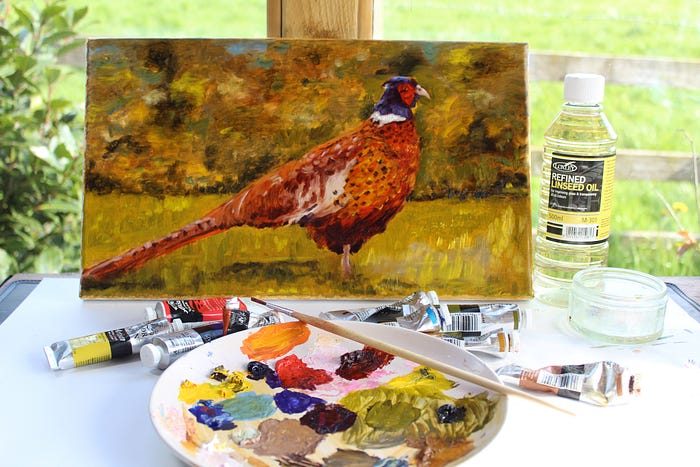
  • Oil Painting: Learn How to Get Started in This Guide

    Everything you need to begin your oil painting journey with confidence, even if you’ve never picked up a brush before.

    Standing in front of a blank canvas can feel exciting and intimidating at the same time. Oil painting has a reputation for being difficult, but the truth is that every skilled artist started by learning the basics. With the right materials and a little patience, anyone can begin creating artwork they are proud of.

    If you’ve been thinking about trying oil painting, this guide will help you take your first steps without feeling overwhelmed.

    Why Choose Oil Paint?

    Oil paints have been used for centuries because they offer rich, vibrant colors and exceptional blending ability. Unlike acrylic paints, which dry quickly, oil paints remain workable for much longer. This slower drying time gives beginners the freedom to adjust colors, soften edges, and experiment without feeling rushed.

    Many artists also appreciate the depth and texture that oil paints create. As you gain experience, you’ll discover techniques that simply aren’t possible with faster-drying paints.

    Gather the Essential Supplies

    You don’t need an expensive studio to get started. A simple beginner’s kit is enough.

    Start with:

    • A basic set of oil paints
    • A few quality brushes in different sizes
    • Canvas panels or stretched canvases
    • A palette for mixing colors
    • Palette knives
    • Odorless mineral spirits and a painting medium
    • Paper towels or cleaning cloths

    Buying a small selection of good-quality materials often produces better results than purchasing a large collection of inexpensive supplies.

    Learn the Basics Before Painting Complex Subjects

    Many beginners want to jump straight into detailed portraits or dramatic landscapes. While ambition is great, learning a few core skills first will make everything easier.

    Practice mixing colors to understand how warm and cool tones interact. Experiment with different brush strokes and learn how varying pressure changes the texture of your painting.

    Simple objects like fruit, mugs, or flowers make excellent practice subjects because they help you develop observation skills without becoming overwhelming.

    Be Patient With the Process

    One of the biggest advantages of oil painting is also one of its greatest lessons: patience.

    Oil paint dries slowly, allowing you to revisit areas and make improvements over several days. Rather than expecting perfection in a single session, think of each painting as a gradual process of refinement.

    Every completed painting teaches something new, whether it’s understanding color harmony, improving composition, or controlling your brushwork.

    Develop a Regular Painting Habit

    Improvement comes from consistency rather than marathon painting sessions.

    Even setting aside thirty minutes a few times each week can make a noticeable difference. Over time, your confidence grows naturally as your hands become more familiar with the materials and techniques.

    Consider keeping your workspace ready so it’s easy to begin whenever inspiration strikes.

    Keep Learning From Others

    Books, museum visits, online tutorials, and local art classes all offer valuable opportunities to expand your skills. Watching experienced artists explain their process can introduce techniques that would otherwise take years to discover through trial and error.

    As your interest grows, you may find it helpful to keep a sketchbook or explore beginner-friendly painting guides that organize lessons into manageable steps. These resources can provide structure while still encouraging you to develop your own artistic style.

    Final Thoughts

    Learning oil painting isn’t about creating masterpieces overnight. It’s about enjoying the creative process, building new skills one brushstroke at a time, and allowing yourself the freedom to improve through practice.

    Every finished painting marks another step forward. The more time you spend experimenting with color, light, and composition, the more your confidence will grow. Start with simple subjects, stay curious, and remember that progress is built through regular practice. Your first painting doesn’t need to be perfect — it simply needs to be the beginning.

    Oilpaint

    Oil Painting

    Learn Oil Painting

    Oil Painting Beginner

    Oil Paint Guide

  • You don’t need to be a programmer to write great prompts. You just need to know how to communicate clearly.

    The first time most people use an AI chatbot, they expect magic. They type a quick question, receive an average answer, and assume the technology is overhyped.

    In reality, the quality of the response often depends on the quality of the prompt.

    Prompt engineering may sound like a technical skill reserved for developers, but at its core it’s simply the ability to ask better questions and provide better instructions. Whether you’re using AI to write emails, brainstorm business ideas, study for exams, or create marketing content, learning a few simple techniques can dramatically improve the results.

    Think of AI Like a New Team Member

    Imagine you’ve hired someone incredibly knowledgeable but completely unfamiliar with your preferences.

    If you tell them, “Write me a blog post,” they’ll do their best, but they’ll have to make countless assumptions.

    Now imagine saying:

    “Write a 700-word beginner-friendly blog post about healthy meal planning for busy parents. Use a conversational tone, include practical examples, avoid jargon, and end with three actionable tips.”

    The second request gives the AI direction. Instead of guessing, it has a clear objective.

    That’s the foundation of prompt engineering.

    The Four Ingredients of a Good Prompt

    Most effective prompts contain four simple elements:

    The task. Explain exactly what you want.

    The context. Provide background information that helps the AI understand the situation.

    The style. Describe the tone, format, or audience.

    The constraints. Mention word count, things to avoid, or specific requirements.

    For example, instead of writing:

    “Explain budgeting.”

    You could write:

    “Explain personal budgeting to someone who has never managed money before. Keep it under 600 words, use simple language, include one real-life example, and finish with three beginner-friendly tips.”

    Small additions like these often make a noticeable difference.

    Be Specific Without Making It Complicated

    One common mistake is believing prompts need to be long.

    Length isn’t what matters. Clarity is.

    A short, focused prompt usually performs better than a long prompt filled with vague requests.

    If the first response isn’t exactly what you wanted, treat it like a conversation. Ask the AI to rewrite a section, simplify the explanation, add examples, or change the tone.

    The best prompts often develop through a few rounds of refinement rather than trying to get everything perfect on the first attempt.

    Give Examples When Possible

    AI learns from patterns, so examples are incredibly helpful.

    If you like a certain writing style, provide a sample paragraph and ask the AI to match its readability — not copy its content.

    If you’re creating social media posts, newsletters, or product descriptions, showing one example often produces more consistent results than describing the style alone.

    This approach also saves time because the AI spends less effort guessing what you mean.

    Prompt Engineering Is Really About Better Communication

    One surprising benefit of learning prompt engineering is that it improves communication outside AI as well.

    Writing clearer instructions forces you to organize your thoughts, define your goals, and think about the needs of your audience. Those same skills are useful when managing projects, writing emails, or collaborating with colleagues.

    As AI becomes part of everyday work, prompt writing is likely to become as valuable as learning how to search the web effectively was twenty years ago.

    You don’t need complicated frameworks or technical knowledge to get started. Focus on being clear, specific, and willing to refine your requests. Over time, you’ll begin to notice patterns that consistently produce better answers.

    If you’re interested in exploring AI more deeply, a well-structured prompt guide or practical workbook can be a useful companion. The goal isn’t to memorize formulas but to develop the habit of communicating with intention.

    In the end, prompt engineering isn’t really about talking to machines. It’s about learning how to express your ideas clearly enough that both people and AI can understand exactly what you mean.

    Prompt Engineering

    Ai Prompt Engineering

    Ai Prompt Generator

    Ai Prompt Writer

    Beginners Guide

  • Why a small, engaged email audience can become your most valuable online asset

    Many creators spend months chasing more followers, more views, and more likes. Those metrics can feel exciting, but they also change quickly. A social media algorithm updates, a platform loses popularity, or your reach suddenly drops.

    An email list is different.

    When someone willingly gives you their email address, they’re inviting you into a more personal space. Unlike social media, where your content competes with endless scrolling, email gives you a direct way to share ideas, resources, and updates with people who genuinely want to hear from you.

    Building an email list isn’t just for large businesses or experienced marketers. It’s one of the smartest habits anyone creating content online can develop.

    Start Earlier Than You Think

    A common mistake is waiting until you have thousands of followers before creating a newsletter. In reality, the best time to begin is when your audience is still small.

    Imagine having just 50 subscribers who regularly open your emails and enjoy your content. Those readers are often more valuable than thousands of casual followers who never see your posts.

    Growing slowly also allows you to learn what your audience cares about. You’ll discover which topics generate replies, what questions people ask, and what kinds of content encourage readers to stay subscribed.

    Give People a Good Reason to Join

    People receive dozens of emails every week, so it’s important to offer something useful.

    This doesn’t have to be a complicated course or expensive product. It could be:

    The best incentive is something that saves readers time or helps them make progress. If your content consistently delivers value, people will naturally recommend it to others.

    Focus on Consistency, Not Frequency

    Many creators believe they need to send daily emails. That often leads to burnout.

    A weekly or bi-weekly newsletter is enough for most audiences. Readers appreciate consistency more than constant communication.

    If subscribers know they’ll receive thoughtful advice every Tuesday morning, they’re more likely to look forward to opening your emails.

    Quality always beats quantity.

    Build Trust Before Selling Anything

    One of the biggest advantages of email is the opportunity to build genuine relationships.

    Instead of treating every email like a promotion, focus on helping your readers. Share lessons you’ve learned, useful resources, practical examples, or stories that teach something meaningful.

    Over time, trust grows naturally.

    Then, if you eventually create a digital guide, ebook, printable, or online course, your audience already understands the value you provide. Recommendations feel like helpful suggestions instead of advertisements because you’ve spent time earning credibility first.

    Small Lists Can Create Big Opportunities

    Many successful creators began with only a handful of subscribers.

    A list of 500 engaged readers often produces better results than a social media account with 20,000 passive followers. Engaged subscribers reply to emails, recommend your work, buy products they genuinely need, and become long-term supporters.

    The size of your audience matters far less than the strength of the relationship you build with it.

    The Long-Term Advantage

    Social media will continue to change, but owning a direct connection with your audience gives you stability.

    Every helpful article you publish, every useful resource you share, and every honest email you send becomes another reason for readers to stay connected.

    If you’re creating content for the long run, building an email list isn’t simply another marketing tactic. It’s a way of creating a community around ideas people find genuinely valuable.

    Years from now, you’ll probably be more grateful for the people who regularly open your emails than for the posts that briefly went viral. Lasting success online is often built one trusted subscriber at a time.

    Email Marketing

    Email Marketing Lists

    Email Lists

    Email Marketing Tips

  • The overlooked conversations that quietly build trust, confidence, and meaningful relationships.

    Small talk has a reputation problem.

    Many people describe it as awkward, pointless, or something to get through before a “real” conversation begins. It’s easy to understand why. Asking someone about the weather or their weekend can seem repetitive, especially when you’re hoping for a deeper connection.

    But in everyday life, small talk often does something much more important than we give it credit for. It creates the conditions that make meaningful conversations possible.

    Think about how most friendships begin. Rarely do two strangers immediately share their biggest dreams or deepest fears. Relationships usually grow through ordinary moments — a brief conversation while waiting for coffee, a chat before a meeting starts, or a few words exchanged with a neighbor. These simple interactions build familiarity, and familiarity creates comfort.

    Small Conversations Build Trust

    Trust doesn’t usually appear all at once. It develops through consistent, low-pressure interactions.

    When someone remembers your name, asks how your week is going, or follows up on something you mentioned before, they’re showing that they were paying attention. Those moments may seem insignificant, but together they create a sense of connection.

    This is one reason networking events, workplaces, and community groups often begin with casual conversation. Small talk helps people discover shared interests and lowers the social barriers that naturally exist between strangers.

    The conversation itself isn’t always the goal. It’s often the bridge to something more meaningful.

    Why Many People Avoid It

    For some, small talk feels exhausting because they worry about saying the wrong thing or running out of topics.

    Ironically, focusing less on being interesting often makes conversations flow better.

    People generally enjoy talking with someone who listens carefully, asks thoughtful follow-up questions, and shows genuine curiosity. You don’t need clever stories or perfect jokes. A simple question like, “How did you get into that?” can open the door to a surprisingly engaging discussion.

    Good conversation is less about performing and more about paying attention.

    The Everyday Benefits

    Small talk also has practical benefits that are easy to overlook.

    Regular social interaction can make unfamiliar environments feel more comfortable. Greeting colleagues each morning creates a friendlier workplace. Chatting briefly with local shop owners can make your neighborhood feel more connected. Even short conversations with strangers can leave people feeling slightly happier than they expected.

    Researchers studying social behavior have found that these everyday interactions contribute to a greater sense of belonging and overall well-being. While they may not replace close friendships, they help reduce the feeling of moving through life anonymously.

    Getting Better Without Overthinking It

    If small talk doesn’t come naturally, treat it as a skill rather than a personality trait.

    Instead of memorizing conversation starters, become more observant. Notice something happening around you, ask open-ended questions, or build on what the other person has already shared.

    For example, if someone mentions they’re planning a holiday, asking what they’re most looking forward to is often more engaging than asking for a list of destinations.

    The goal isn’t to impress anyone. It’s simply to make the other person feel comfortable enough to continue the conversation.

    If you’re working on communication skills, books, conversation guides, or even a thoughtful newsletter can offer useful ideas to practice over time. The key is applying those ideas in everyday situations rather than trying to become perfect overnight.

    A Better Way to Think About Small Talk

    Small talk isn’t the opposite of meaningful conversation.

    It’s often the first chapter.

    Those brief exchanges before meetings, while standing in line, or during everyday routines create opportunities that might otherwise never exist. Some will remain short and forgettable. Others may become friendships, professional opportunities, or conversations you’ll remember for years.

    The next time you find yourself discussing the weather, a recent film, or weekend plans, don’t dismiss it as wasted conversation. You may simply be laying the foundation for a connection that hasn’t had the chance to grow yet.

    Turn a good conversation into an actual friendship

    Start a conversation with anyone, anywhere, without over-thinking it

    Handle awkward silences and rejection without spiraling

    Self Talk

    How To Start Conversation

    Smalltalk

    Relationships

    Confidence